Company-owned
Centralized fleet
- Company finances every robot
- Company carries depreciation
- Company bears utilization risk
- Expansion requires more company capital
Investor deck
PDF
Proving the first paid deployment—and building the platform for independently owned autonomous robots.
Raising
$500,000
Pre-Seed SAFE
Thesis
Autonomous robots are becoming technically possible, but every physical asset still has to be financed, deployed, maintained, and connected to useful work.
Kohrie will own and operate the first robot so we can control safety, reliability, and the learning loop.
After the model is proven, businesses and independent operators can supply robots while Kohrie provides the shared autonomy and operating infrastructure.
Own the robot.
Kohrie powers the work.
Scaling
Autonomy can reduce labor per mission. It does not remove the capital and operating work required to place physical assets in every community.
Company-owned
Distributed
Kohrie owns the first deployment to prove the system—not because Kohrie intends to own every robot forever.
Why Delivery
Delivery is one of the few real-world problems that requires every capability an autonomous robot will eventually need.
By solving delivery first, we build the foundation for many other autonomous applications.
Navigation
Robots must move safely through real environments.
Autonomy
Robots must perceive, plan, and make decisions continuously.
Robot Operations
The first robot must be monitored, supervised, and updated reliably.
Human Assist
Kohrie steps in whenever autonomy reaches its limits.
Business Software
Business requests, tracking, and operations must work together.
Trust & Safety
Reliable systems, monitoring, and operational safety are required every day.
Delivery is not the destination.
It is the fastest path to building infrastructure for autonomous robotics.
Platform
One shared software layer that turns robots into a usable business system.
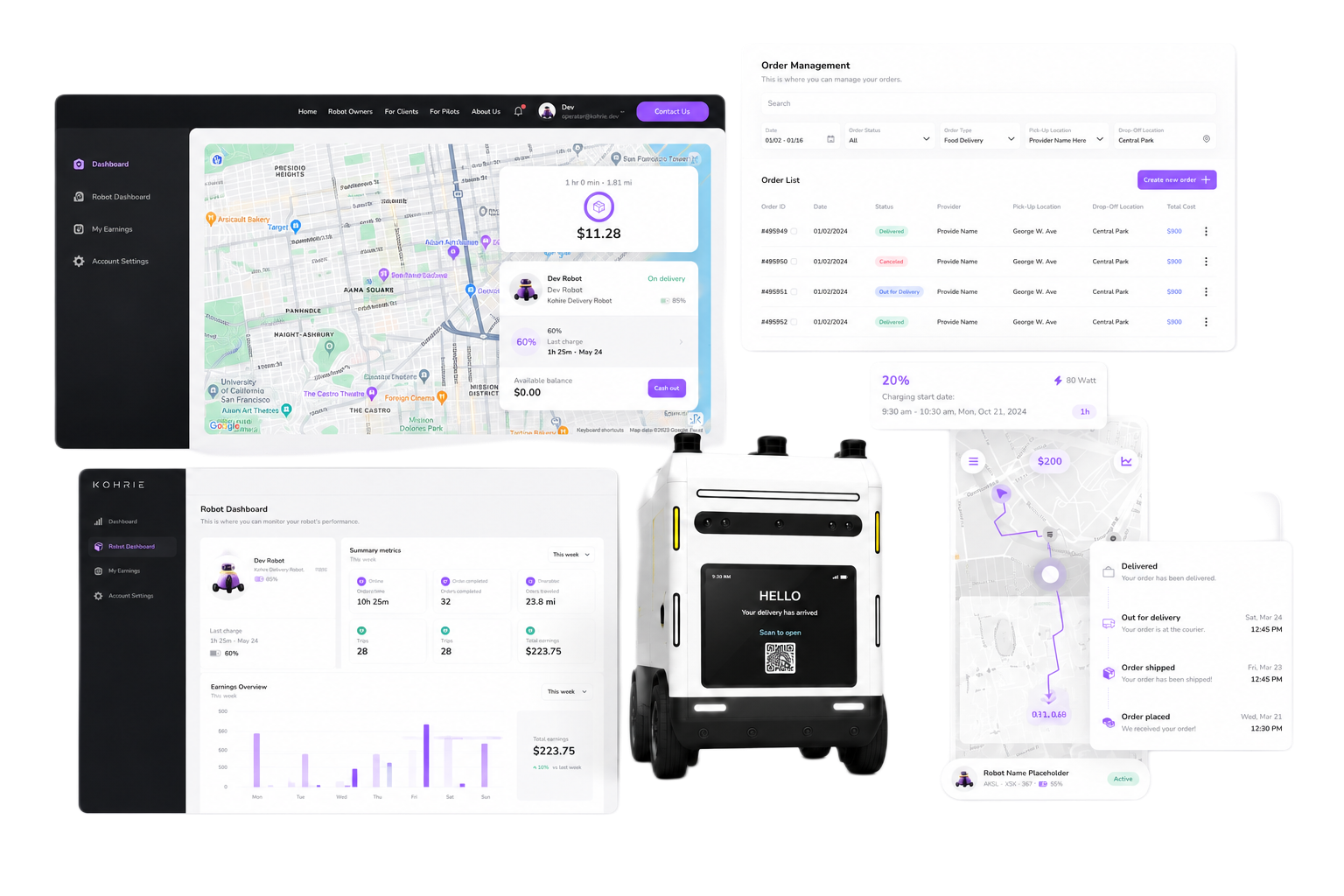
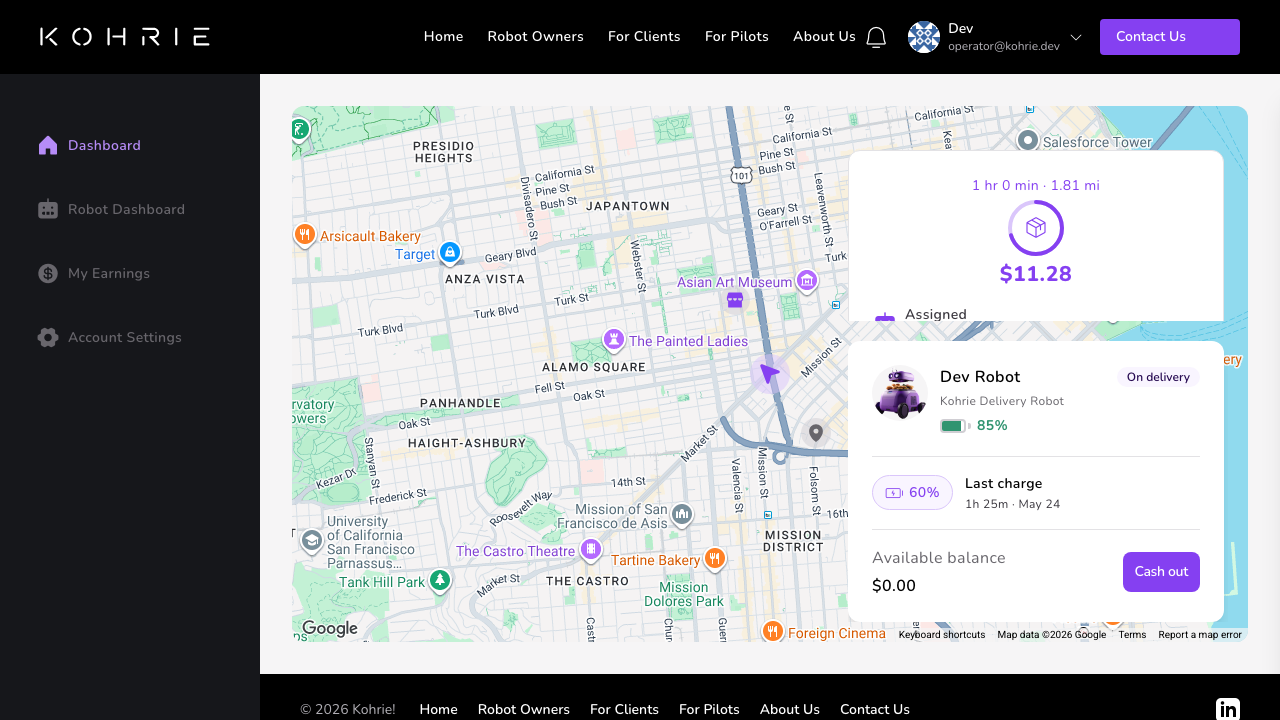 Fleet
Fleet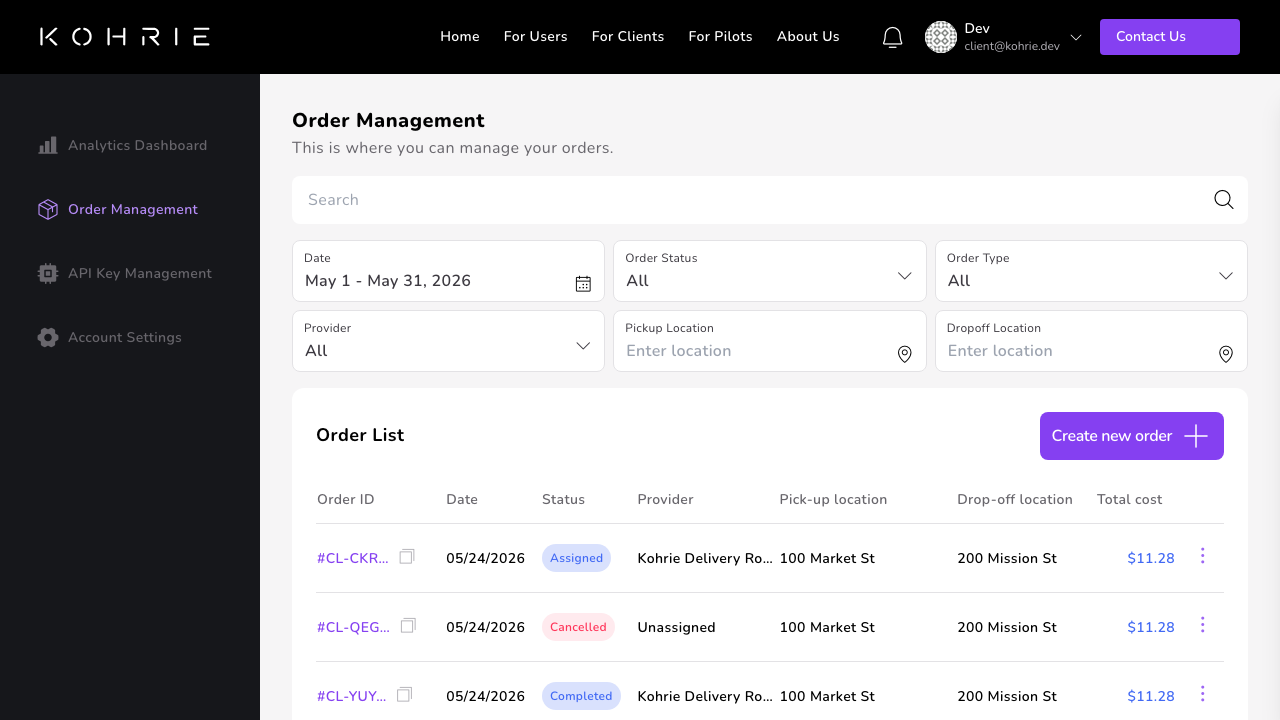 Dispatch
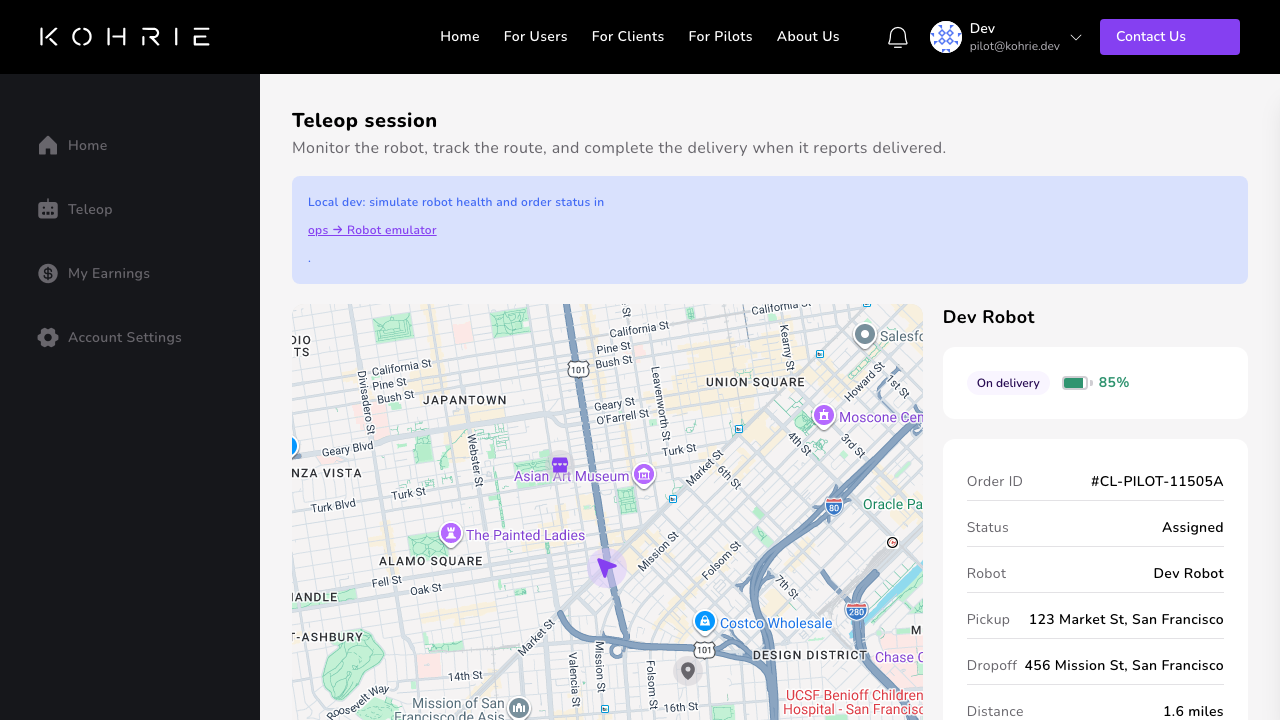 Teleop
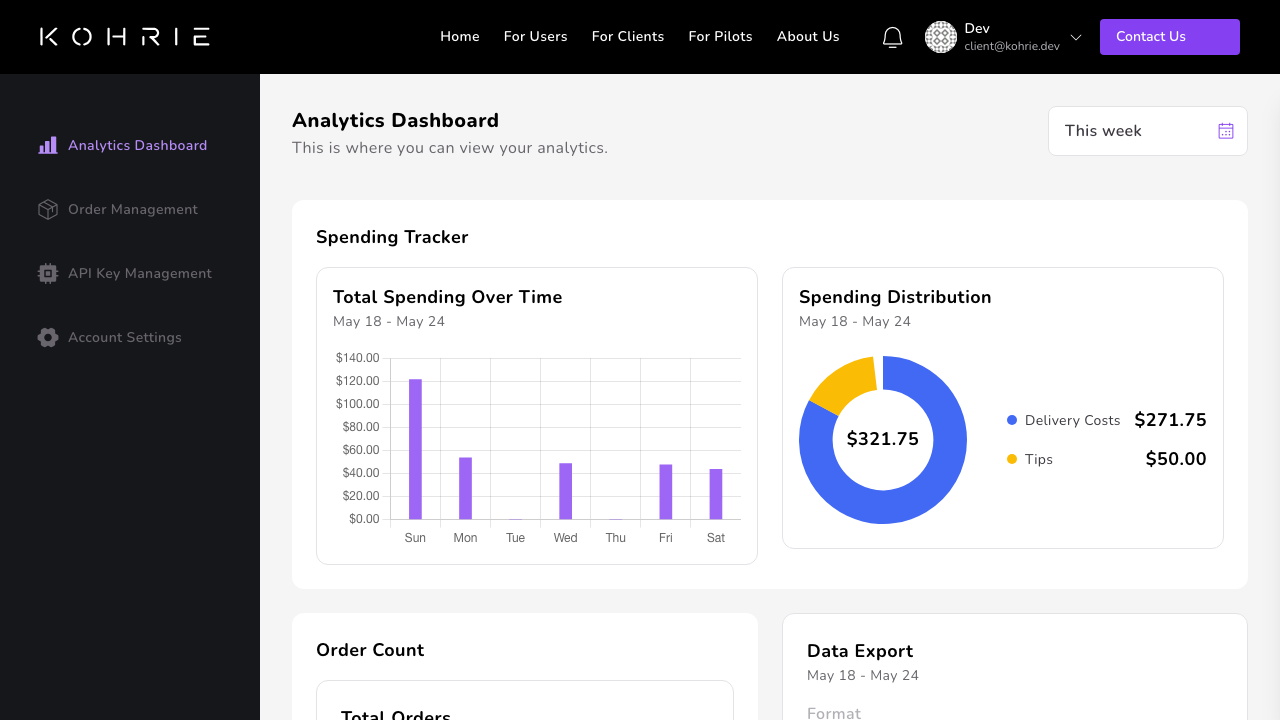 Analytics
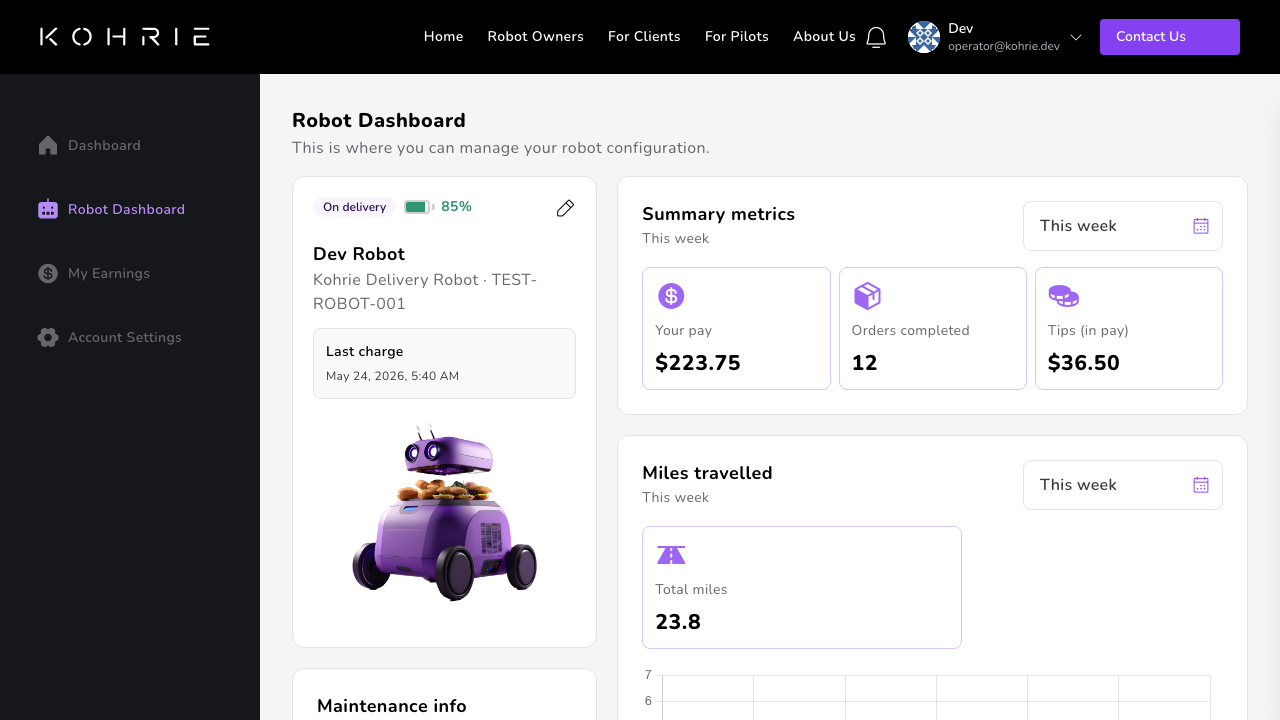 Portal
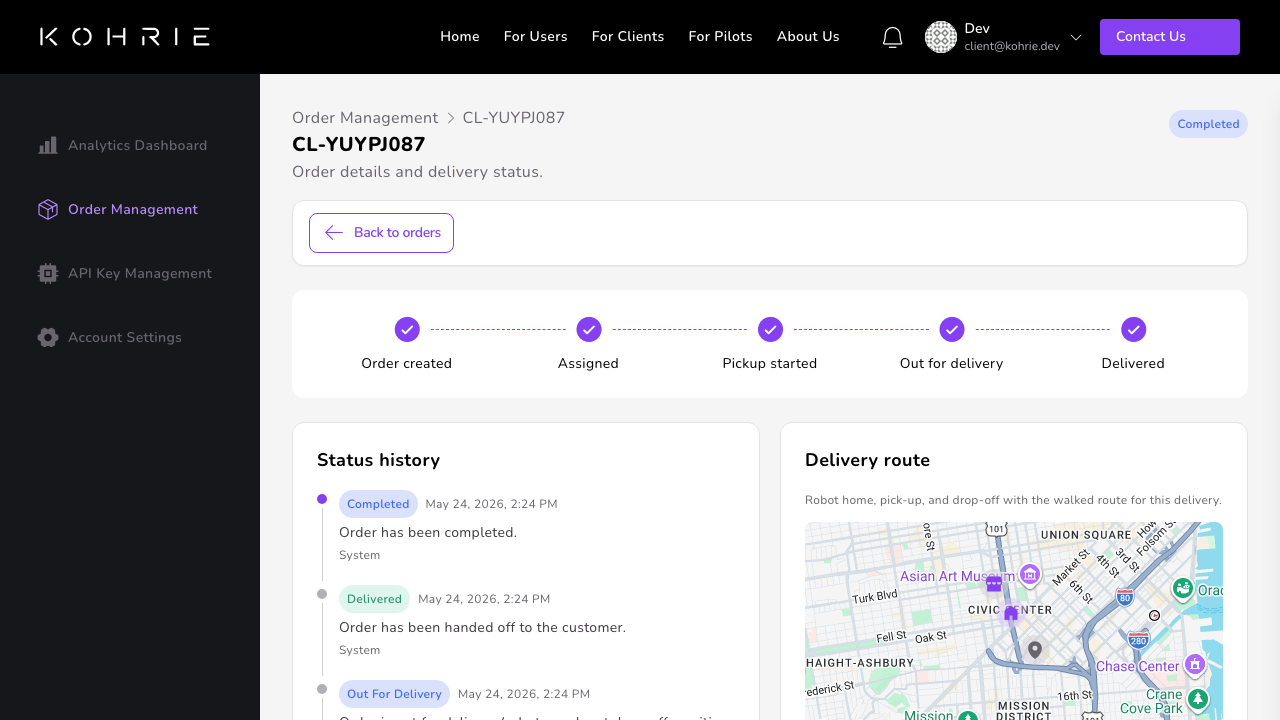 Tracking
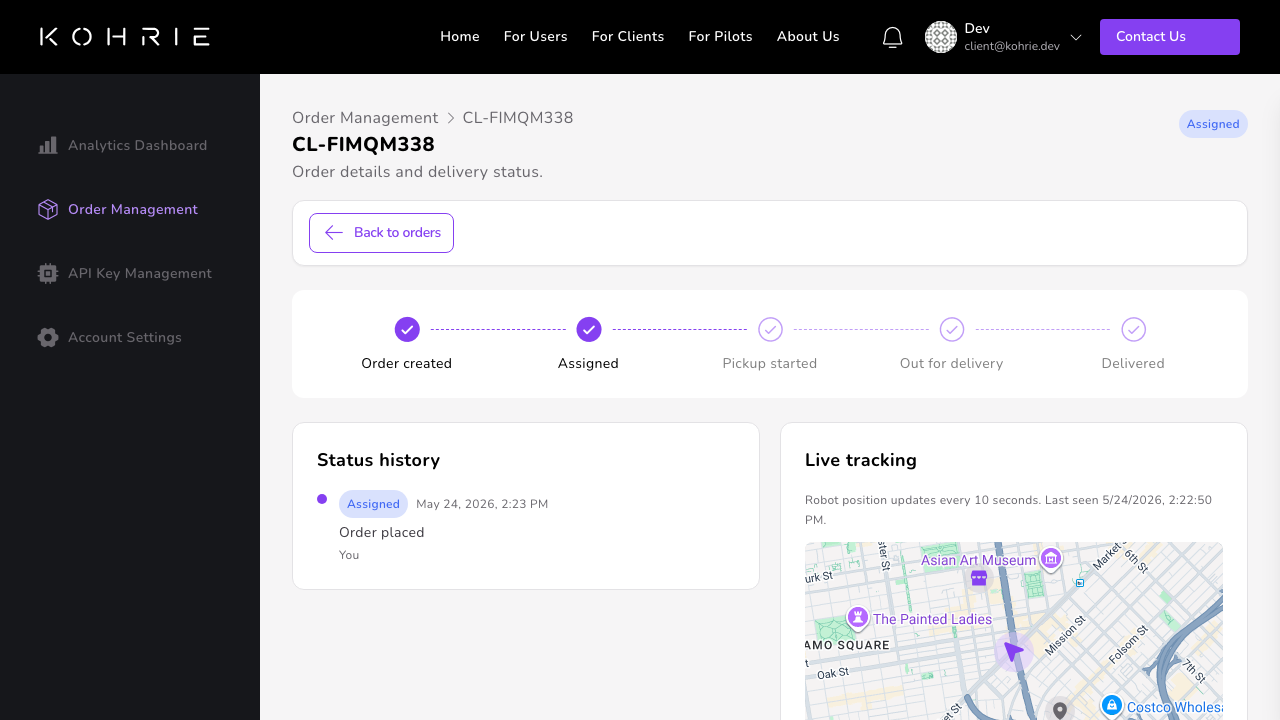 Orders
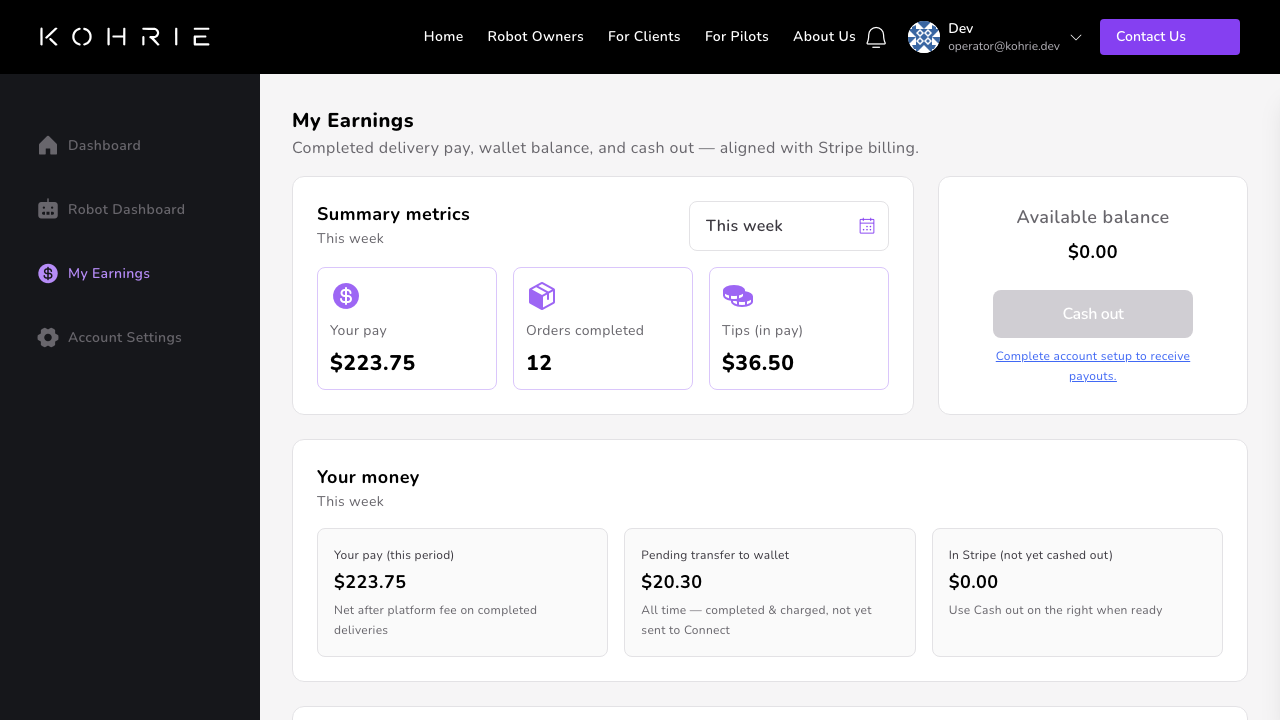 Earnings
 Robot
RobotA working software foundation ready for robot and field validation.
Hardware
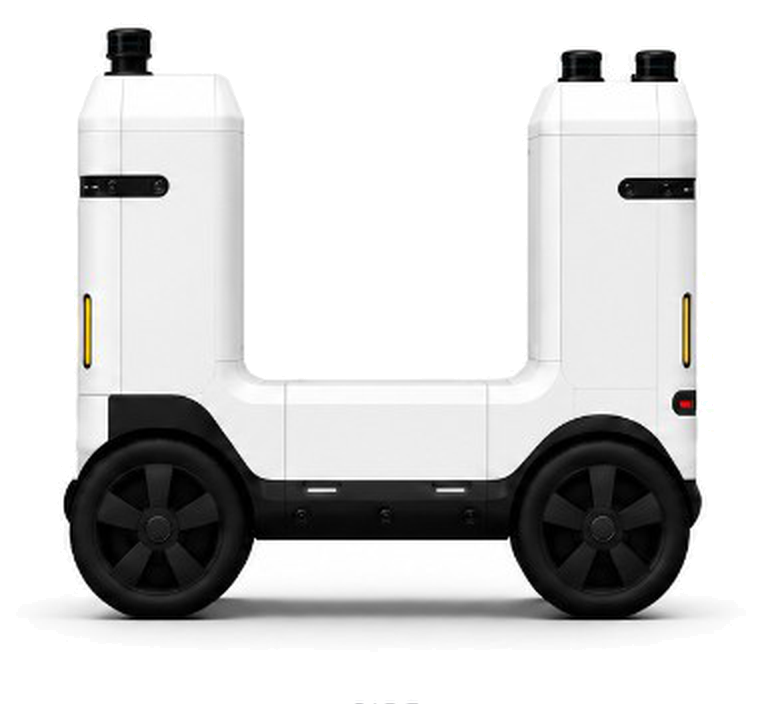
Kohrie Robot One is our first delivery-robot prototype designed for the Kohrie operating system.
Robot One V2, its autonomy stack, and sustained field reliability remain to be built and validated.
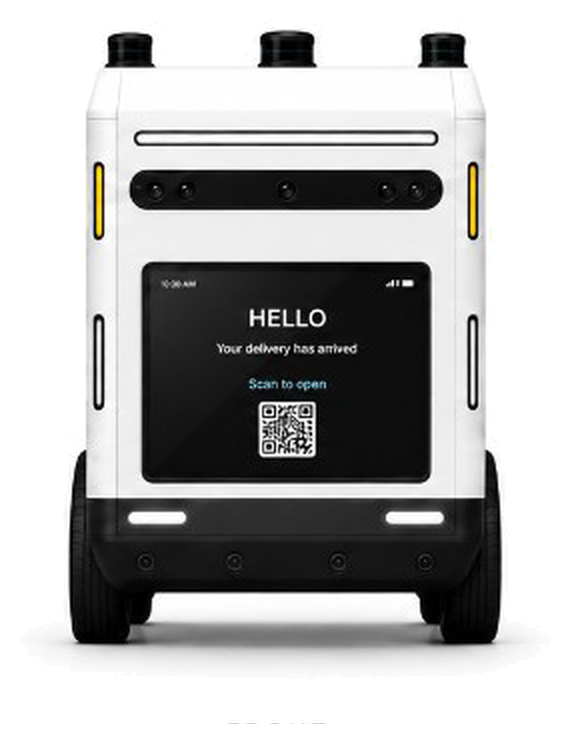
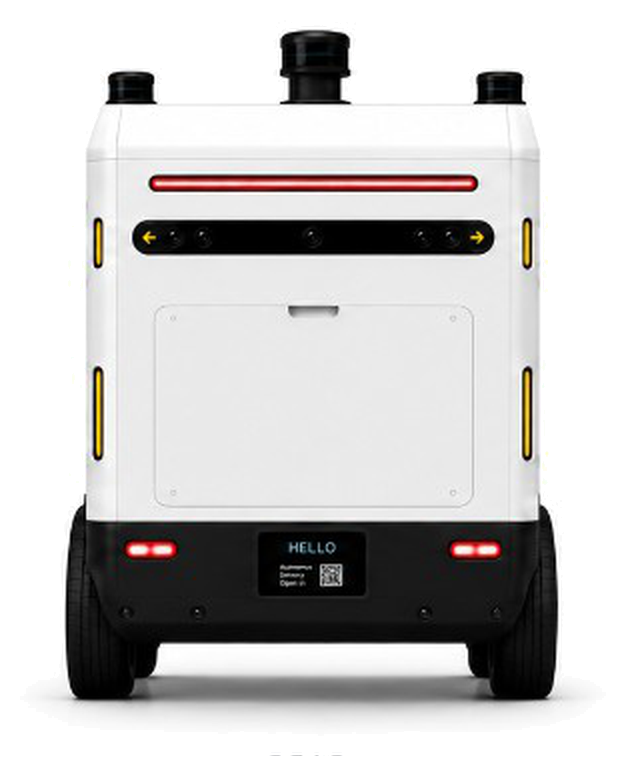
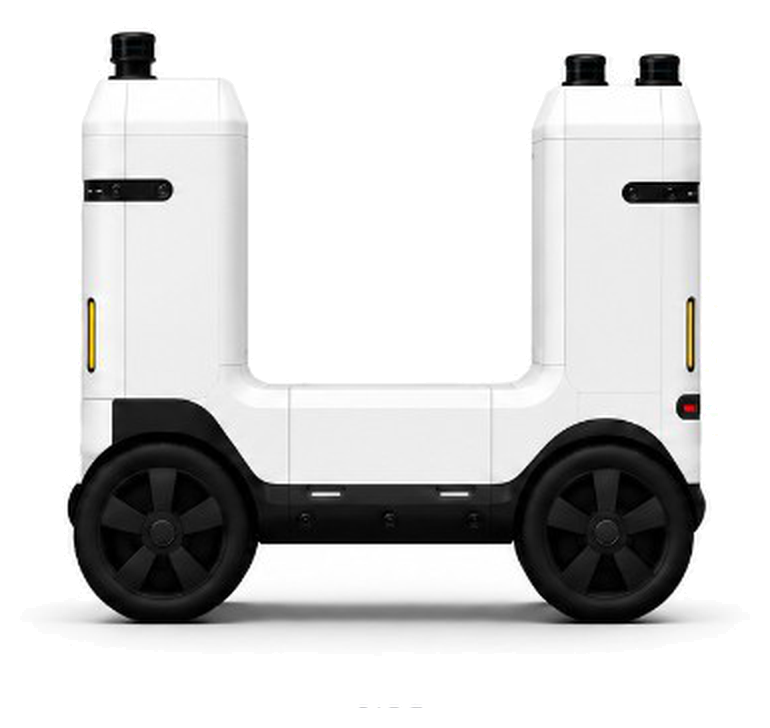
Hardware designed around software—not the other way around.
Market
Kohrie begins inside existing delivery demand, then creates a path for robot supply to expand without permanently concentrating every asset on Kohrie’s balance sheet.
01
Local businesses already need reliable delivery.
02
Outside ownership begins only after deployment economics are proven.
03
Autonomy, dispatch, remote assistance, payments, and fleet infrastructure.
Published markets are shown for context and are not additive.
The first deployment validates demand and economics. The platform model creates the path to venture-scale supply.
Business Model
The founding pilot is designed to validate demand and operating economics—not define Kohrie’s permanent revenue model.
Initial validation
Kohrie owns, operates, supervises, charges, and maintains Robot One.
Future platform
After the system and economics are proven, businesses and operators can purchase or finance robots and activate them through Kohrie.
Own the robot. Kohrie powers the work.
Go To Market
The 18-month objective is one Kohrie-owned robot performing paid deliveries for one local founding partner.
Stage 1
Validate demand, reliability, interventions, operator time, and delivery cost.
Stage 2
Expand only after the first deployment establishes the operating model.
Stage 3
Outside ownership begins only when demand, hardware, safety, and economics support it.
Each stage must earn the right to unlock the next.
Why Now
The enabling technologies are improving enough to test a tightly constrained commercial deployment.
The missing piece is the operating system that connects them together.
Reason 1
Perception and planning systems continue to improve, but real-world autonomy remains difficult.
Reason 2
Sensors, batteries, and compute continue to become cheaper.
Reason 3
Demand for local delivery and logistics continues to grow while labor shortages increase operating costs.
Reason 4
Cloud software, remote operations, payments, and connectivity already exist at global scale.
This decade will define who builds the operating system for autonomous robotics.
The Raise
Pre-Seed SAFE
This round is designed to take Kohrie from a working prototype to one constrained commercial deployment.
Use of Funds
45%
Engineering
20%
Hardware
15%
Manufacturing
10%
Commercial Pilot
10%
General Operations
What this unlocks
By the end of this round Kohrie expects to achieve:
Why this round
Capital is used to prove commercial execution—not to scale prematurely.
This round is about proving one reliable deployment—not promising premature scale.
Founder
I started Kohrie because I believe robotics is approaching the same turning point that personal computers and smartphones once did. Technologies that begin as specialized tools eventually become accessible to millions of people. I believe autonomous robots will follow the same path.
Today, most robots are owned and operated by large organizations. I think the next chapter looks different. Instead of a few companies owning millions of robots, millions of people and businesses should be able to own robots powered by a shared software platform.
That doesn't mean every owner needs to become a robotics expert. The complexity belongs in the platform—autonomy, fleet management, payments, remote assistance, safety, and continuous software updates. Ownership should be simple.
Distributed ownership can allow physical autonomous infrastructure to expand without requiring Kohrie to finance and operate every robot itself.
Founder
Karlen Avetisyan
Founder & CEO
Karlen Avetisyan
If we succeed, owning a robot should one day feel as ordinary as owning a computer.
We begin by proving one complete deployment. We scale by making autonomous robot ownership accessible to businesses and operators.
Currently raising a $500,000 Pre-Seed SAFE to deploy one Kohrie-owned robot with one local business.